
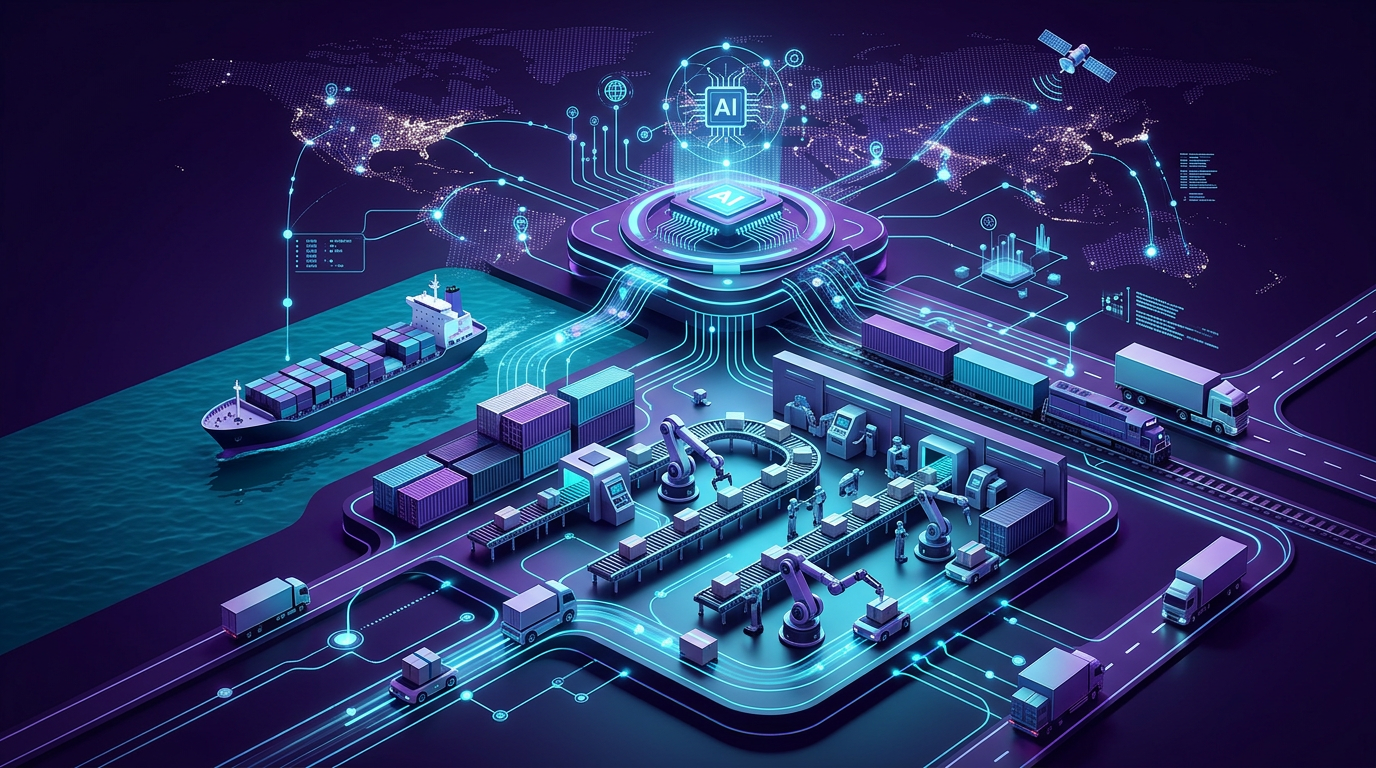
Introduction to AI in Logistics
The logistics industry has witnessed a significant transformation with the advent of Artificial Intelligence (AI). AI Lojistik, a cutting-edge AI solution, is at the forefront of this evolution, offering innovative ways to streamline supply chain management. By leveraging AI technologies, businesses are optimizing their logistics processes, reducing costs, and enhancing overall efficiency.
The Role of AI Lojistik in Supply Chain Management
AI Lojistik is designed to tackle complex logistical challenges by automating and enhancing decision-making processes. It utilizes machine learning algorithms and data analytics to predict demand, optimize inventory management, and improve transportation planning. The solution provides real-time insights that enable companies to respond quickly to market changes and customer needs.
AI Lojistik Use Cases
AI Lojistik can be applied in various aspects of supply chain management, including:
- Demand Forecasting: Predicting future demand accurately to ensure optimal inventory levels and reduce stock-outs.
- Route Optimization: Calculating the most efficient transportation routes to minimize fuel consumption and delivery times.
- Warehouse Automation: Streamlining warehouse operations through automated picking, packing, and sorting.
- Risk Management: Identifying potential supply chain disruptions and developing contingency plans.
Implementation Steps for AI Lojistik
Implementing AI Lojistik involves several critical steps to ensure successful integration into existing logistics frameworks:
- Needs Assessment: Identify specific logistics challenges that AI can address within the organization.
- Data Collection: Gather relevant historical and real-time data to train AI algorithms effectively.
- Custom Solution Development: Work with AI experts to develop tailored algorithms that meet the organization's unique needs.
- Integration: Seamlessly integrate AI Lojistik into existing systems and workflows.
- Testing and Validation: Conduct pilot tests to validate AI models and ensure they meet performance expectations.
- Employee Training: Train staff to effectively use AI tools and interpret insights.
- Continuous Improvement: Regularly update and refine AI models based on feedback and changing market conditions.
Business Value and Measurable Outcomes
AI Lojistik offers significant business value by enhancing supply chain efficiency and reducing operational costs. Companies adopting this solution can expect the following measurable outcomes:
Cost Savings
By optimizing routes and inventory levels, AI Lojistik reduces transportation and warehousing costs. Predictive analytics help avert overproduction and stockouts, leading to substantial cost reductions.
Improved Customer Satisfaction
Faster delivery times and accurate demand forecasting contribute to improved customer satisfaction. By ensuring products are available when needed, businesses can enhance their service quality and build customer loyalty.
Increased Agility
AI-driven insights enable organizations to respond rapidly to market changes, ensuring supply chain agility. This agility is crucial in maintaining a competitive edge in today’s fast-paced business environment.
Risks and Challenges
While AI Lojistik offers numerous benefits, it also presents certain challenges that organizations must address:
- Data Privacy Concerns: Handling sensitive data requires stringent security measures to prevent breaches.
- Integration Complexity: Integrating AI solutions with legacy systems can be complex and require significant IT resources.
- Skill Gaps: A lack of skilled personnel to manage and interpret AI tools may hinder successful implementation.
Key Performance Indicators (KPIs)
To gauge the success of AI Lojistik implementation, organizations should track the following KPIs:
- Delivery Time Reduction: Measure the decrease in average delivery times post-implementation.
- Inventory Turnover Ratio: Evaluate changes in inventory turnover rates to assess inventory management improvements.
- Cost Reduction Percentage: Quantify the percentage decrease in logistics costs.
- Customer Satisfaction Score: Monitor changes in customer feedback and satisfaction ratings.
Conclusion
AI Lojistik represents the future of supply chain management, providing a robust framework for optimizing logistics operations. By addressing key challenges and offering tangible business value, AI Lojistik is set to redefine how organizations manage their supply chains. As companies continue to navigate the complexities of the modern market, embracing AI-driven solutions will be crucial for maintaining competitiveness and achieving operational excellence.
Streamlining Workflows with AI Lojistik
Implementing AI Lojistik effectively requires a strategic approach to workflow optimization. Understanding how AI can integrate into and enhance existing logistics processes is crucial for maximizing its benefits. Here are key considerations for streamlining workflows:
Automation of Routine Tasks
AI Lojistik excels at automating repetitive and time-consuming tasks, such as data entry and report generation. By freeing employees from these duties, companies can allocate human resources more effectively, focusing on strategic decision-making and complex problem-solving.
Enhanced Decision-Making
Real-time data analytics provided by AI Lojistik empower logistics managers to make informed decisions quickly. AI tools can analyze vast amounts of data, offering insights that guide strategic initiatives, such as adjusting inventory levels or rerouting shipments to avoid delays.
Integrated Communication Systems
AI Lojistik supports seamless communication across different departments involved in supply chain management. By integrating communication tools within the AI platform, organizations can ensure that all stakeholders have access to the same information, improving coordination and reducing misunderstandings.
Case Studies: Successful AI Lojistik Implementations
Real-world examples of AI Lojistik adoption showcase its transformative impact on logistics operations. Here are a few case studies that highlight successful implementations:
- Global Retail Giant: A well-known retail corporation adopted AI Lojistik to enhance its distribution network. By implementing predictive analytics, the company improved its demand forecasting accuracy by 20%, resulting in more efficient inventory management and a 15% reduction in stockouts.
- Logistics Service Provider: A leading logistics company integrated AI Lojistik to optimize its fleet management. The solution's route optimization feature decreased fuel consumption by 18%, leading to significant cost savings and a reduced environmental footprint.
- Food and Beverage Manufacturer: AI Lojistik was deployed to automate warehouse operations, increasing picking and packing efficiency by 25%. This increase in operational efficiency allowed the company to handle seasonal demand spikes without requiring additional temporary labor.
Future Trends in AI-Driven Logistics
The future of logistics is increasingly intertwined with advancements in AI technology. Emerging trends indicate that AI Lojistik will continue to evolve, offering even more sophisticated tools for supply chain management:
Advanced Predictive Analytics
As AI algorithms become more advanced, predictive analytics will offer deeper insights into consumer behavior and market trends. This evolution will enable organizations to forecast demand with unprecedented accuracy, further enhancing inventory management and reducing waste.
Merging AI with IoT
The integration of AI with the Internet of Things (IoT) devices will provide real-time data on a larger scale. By analyzing sensor data from IoT-enabled equipment, AI Lojistik can predict maintenance needs, reducing downtime and ensuring continuous operation of logistics infrastructure.
Blockchain Integration
Combining AI with blockchain technology is set to revolutionize supply chain transparency and security. AI-driven algorithms can analyze blockchain data to ensure the authenticity and integrity of transactions, reducing fraud and enhancing trust among supply chain partners.
Conclusion and Next Steps
AI Lojistik is poised to be a cornerstone of future logistics strategies, offering powerful tools to navigate the complexities of global supply chain management. Organizations looking to adopt AI Lojistik should start by conducting a thorough needs assessment and developing a tailor-made implementation plan. Emphasizing continuous improvement and staying abreast of technological advancements will be key to leveraging AI's full potential in logistics operations.
Training and Change Management
Successfully implementing AI Lojistik requires a commitment to training and change management. As AI solutions become integral to logistics operations, companies must ensure that their workforce is adequately prepared to utilize these technologies effectively.
Comprehensive Training Programs
Developing comprehensive training programs is essential for equipping employees with the necessary skills to operate AI-driven tools. Training should cover both technical aspects, such as understanding AI interfaces, and strategic elements, including data interpretation and decision-making processes.
Change Management Strategies
Introducing AI technologies can lead to significant shifts in workflows and organizational culture. Effective change management strategies are crucial for easing the transition and ensuring that employees are aligned with new operational goals. This involves clear communication of the benefits of AI Lojistik and addressing any concerns or resistance among staff.
- Stakeholder Engagement: Involve key stakeholders in the planning and implementation phases to foster buy-in and support from different departments.
- Feedback Mechanisms: Establish channels for employees to provide feedback on AI tools, facilitating continuous improvement and user satisfaction.
- Leadership Support: Ensure that leadership champions the adoption of AI Lojistik, setting a positive example and encouraging adoption across the organization.
Environmental Impact of AI Lojistik
Beyond operational efficiency and cost savings, AI Lojistik also contributes to environmental sustainability. By optimizing logistics processes, organizations can reduce their carbon footprint and promote eco-friendly practices.
Reduction in Carbon Emissions
Route optimization and efficient fleet management lead to a decrease in fuel consumption, directly reducing carbon emissions. AI algorithms that streamline transportation routes help logistics companies become more environmentally responsible while also cutting costs.
Waste Minimization
Predictive analytics enable better demand forecasting, which reduces overproduction and inventory waste. By accurately predicting demand, companies can ensure that resources are utilized efficiently, minimizing excess production and disposal.
AI Lojistik is setting new standards for sustainable logistics by integrating eco-friendly practices into its core operations, positioning companies to meet regulatory requirements and consumer expectations for greener supply chains.